
Push Mitra | Jun 17 2026 15:00
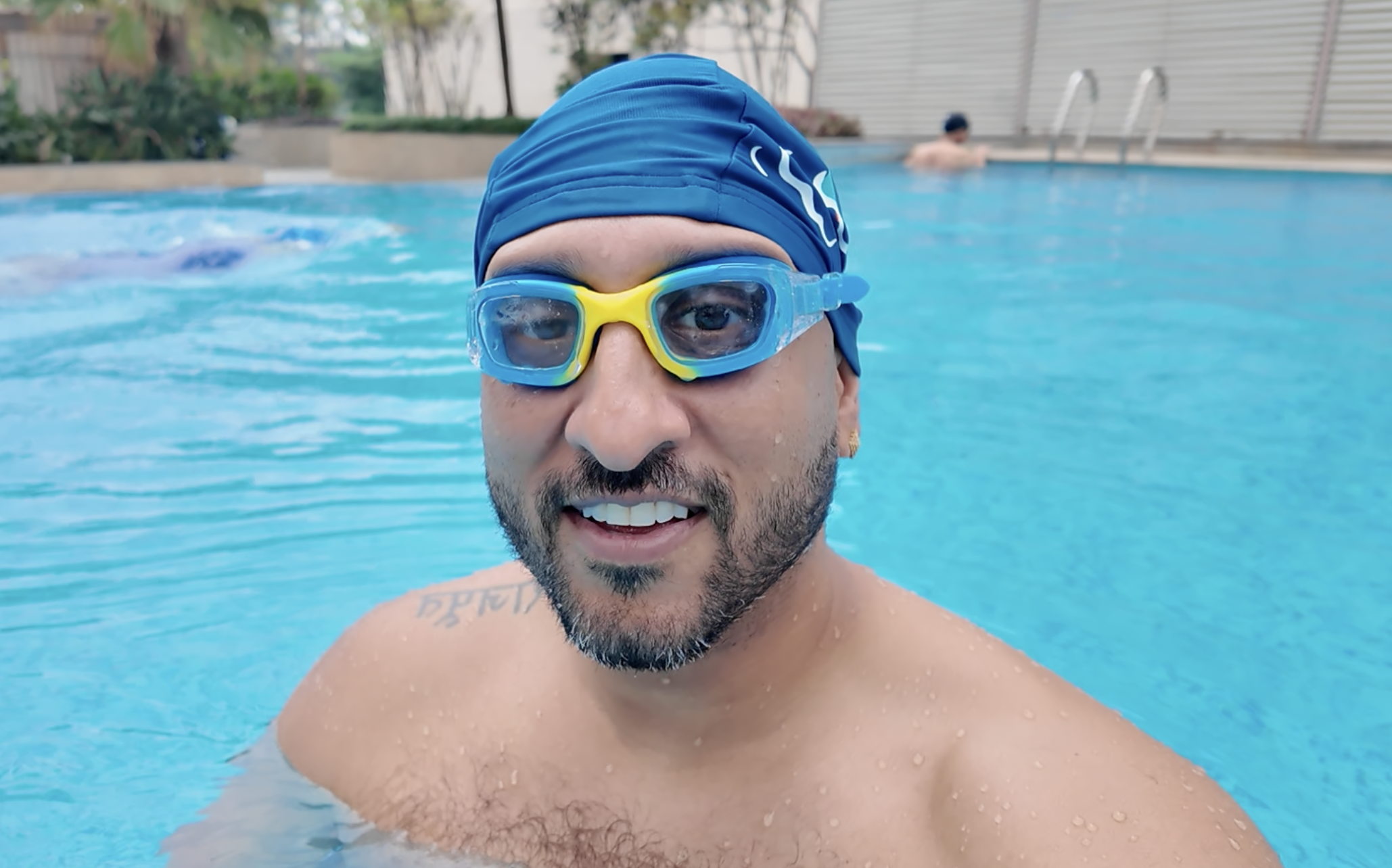
Swimming pools are a favorite summer gathering spot across Florida, but they also come with serious safety obligations and legal risks for property owners. Understanding how pool hazards, premises liability, and prevention measures all work together can help you reduce accidents and protect yourself legally.
Why Pool Ownership Comes With Added Responsibility
A swimming pool can make a property more enjoyable, but it also increases potential hazards. Drowning, slip-and-fall accidents, diving injuries, and equipment malfunctions all pose real risks. Even brief inattention or lack of maintenance can result in significant harm.
Most pool-related injury claims fall under premises liability, an area often handled by a slip and fall lawyer Florida or premises liability attorney Florida. This legal principle requires property owners to keep their property reasonably safe. If a dangerous condition is ignored and someone gets hurt, the property owner may be held legally responsible.
To establish liability, an injured person must generally prove several key elements: that a hazard existed, that the property owner knew or should have known about it, that the hazard was not properly repaired or disclosed, and that the unsafe condition caused the injury. Understanding this framework can help property owners take preventive steps.
Hidden Hazards and Obvious Risks
In many cases, courts look at whether a hazard was clearly visible or concealed. Property owners usually are not required to warn visitors about dangers that are obvious—such as a wet pool deck that any reasonable person would expect to be slippery.
Hidden issues, however, often require action or warning. Examples include:
- Unstable or broken pool ladders that may fail unexpectedly
- Problematic drains that create hazardous suction
- Tiles underwater that are cracked or loose
- Poorly marked depth transitions that increase the risk of diving injuries
Addressing these issues through maintenance and regular inspections can significantly reduce the likelihood of accidents and legal claims. Property owners seeking guidance often turn to a Florida accident lawyer or a premises liability attorney Florida for help understanding these obligations.
Special Safety Considerations for Children
Pools pose a particular risk for children, who may not recognize danger. Many states apply the “attractive nuisance” doctrine, which requires property owners to take additional precautions to prevent children from accessing features that may draw them in—like swimming pools.
Because of this, barriers and secure access points are essential. Common recommendations include fences at least four feet tall, self-latching gates, and in some areas, alarms for doors or pools. Local regulations may impose strict requirements, especially across areas like Miami, Orlando, Tampa, and Fort Lauderdale, where Abogado Push maintains a strong presence as a trusted Florida attorney office.
If a child accesses a pool and is injured, courts may closely examine whether these reasonable precautions were in place.
Proactive Measures to Improve Pool Safety
Pool safety starts long before an accident occurs. Property owners can reduce risks by implementing preventive measures such as:
- Securing the pool area with fencing and self-latching gates to prevent unsupervised entry
- Regularly inspecting equipment like ladders, drains, pumps, slides, and covers to ensure they are functioning correctly
- Promptly addressing hidden dangers, including poor lighting, submerged hazards, and damaged pool surfaces
- Maintaining active supervision during gatherings, designating a responsible adult as a dedicated water watcher
Equipment Conditions and Maintenance Requirements
Beyond supervision and fencing, well-maintained equipment plays a major role in preventing injuries. Faulty drains can create powerful suction forces that trap swimmers underwater. Damaged ladders or slides may cause falls, and unsecured pool covers can lead to sudden immersion hazards.
In some cases, responsibility may extend beyond the property owner.
Insurance Considerations for Pool Owners
Because pools create heightened liability exposure, insurance plays an important role in risk management. Many policies require owners to report that they have a pool, and failing to disclose it or comply with safety rules set out in the policy may affect coverage.
Owners who frequently host gatherings should review liability limits and may choose to add umbrella coverage for additional protection.
What to Do After a Pool Accident
Even with preventive steps, accidents can still happen. If an injury occurs, immediate medical care is the first priority. Once the situation is stabilized, documenting the scene and gathering witness information can help preserve important details.
Property owners should avoid making statements about fault until the facts are fully reviewed.
What does my name mean?
MITRA MEANS
FRIEND &
SINGH MEANS
LION!
New Paragraph